Source Non Woven Moisturizing Sleeping Mask for Face Care
Explore 30 listings for non woven moisturizing sleeping mask options from China. Compare features like hydration, soothing properties, and packaging types to find suitable suppliers for your skincare needs; compare the available evidence and request quotations based on your requirements.
Key considerations
Products List




Comprehensive Sourcing Guide
Non Woven Moisturizing Sleeping Mask Sourcing Guide
Procuring non-woven moisturizing sleeping masks requires a nuanced understanding of material science, regulatory compliance, and supply chain logistics. These products are designed to deliver intensive hydration and soothing benefits while the user sleeps, often leveraging advanced fabric technologies to enhance ingredient absorption. Buyers must navigate a complex landscape of material specifications, from memory foam cotton blends to silk-infused non-woven structures, each offering distinct performance characteristics. The market offers a wide variety of models, including EM-001, EMK2406, and Hydration Sleeping Facial Mask variants, catering to diverse consumer preferences for texture, fit, and functional benefits.
Successful sourcing hinges on verifying the intersection of product attributes and commercial terms. Observed listings indicate a price range of $0.2 to $6 USD, with minimum order quantities (MOQs) varying significantly from 3 pieces to 10,000 pieces. This disparity suggests a market segmented by both small-batch customization and large-scale industrial production. Buyers must carefully align their volume requirements with supplier capabilities, ensuring that the chosen partner can maintain quality consistency across different production scales. Understanding these commercial dynamics is crucial for negotiating favorable terms and securing reliable supply chains for both emerging brands and established retailers.
Product Scope and Observed Listing Signals
The product scope encompasses a diverse array of facial care items, primarily focused on moisturizing, soothing, and nourishing the skin. Key attributes observed include functions such as deep cleansing, anti-wrinkle treatment, and pigmentation correction, often supported by main ingredients like aloe vera, collagen, hyaluronic acid, and shea butter. The materials range from memory foam cotton to silk, indicating a premium segment that prioritizes comfort and efficacy. Products are generally unisex, though some listings specify female-oriented designs, and features like fruit-themed customization or organic ingredients cater to specific niche markets.
Listing signals reveal significant variability in packaging and physical specifications. Standard packaging options include OPP bags, cartons, and polybags, with some suppliers offering customized packaging solutions. Physical dimensions vary, with some models measuring 24x10.5x1.5cm and others 25x10.5x2.5cm, while single package sizes can be as small as 2x2x2 cm. The shelf life is typically listed as three years, and products are often described as non-disposable, suggesting reusable or durable components in some cases. Buyers should scrutinize these details to ensure alignment with their brand’s positioning and logistical requirements.
Technical Specifications to Verify
Verifying technical specifications is critical to ensuring product performance and consumer satisfaction. Buyers must confirm the exact material composition, as terms like "memory foam cotton" and "silk" can vary in quality and source. The model numbers, such as EMK2407 and LD2023120708, serve as unique identifiers for specific product configurations, including weight and dimension standards. For instance, some products are standardized at 35g or 50g, while others may have a volume of 150g. These specifications directly impact the user experience, affecting how well the mask adheres to the face and delivers active ingredients.
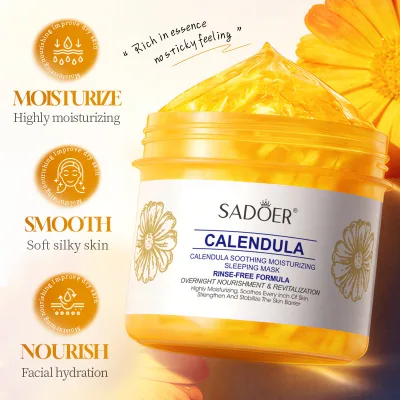
Packaging and labeling requirements also require rigorous verification. Suppliers may offer customized packaging, but buyers must ensure that all labeling complies with destination market regulations, including ingredient lists, usage instructions, and safety warnings. The single gross weight of 0.25 kg for some items indicates the inclusion of packaging materials, which affects shipping costs and storage efficiency. Additionally, the color of the product, such as yellow, may be a result of the ingredients or dyes used, and buyers should confirm that these do not stain the skin or bedding. Clear technical documentation from suppliers is essential to avoid discrepancies between ordered and delivered goods.
Compliance and Safety Documentation
Compliance and safety documentation are non-negotiable for importing cosmetic and skincare products. Buyers must request and verify certifications such as FDA, GMP, and MSDS, which indicate adherence to manufacturing and safety standards. While some listings mention CE certification or ISO standards like 22716:2008 and 9001:2015, these should be treated as background information rather than guaranteed facts. Buyers must independently confirm the validity of these certifications with the issuing bodies and ensure they are applicable to the specific product and destination market.
Ingredient safety is another critical area of compliance. Products listing organic ingredients or specific active components like green tea and jojoba oil must provide detailed ingredient declarations and safety data sheets. Buyers should verify that all materials are free from prohibited substances and comply with local cosmetic regulations. The presence of certifications like GMP and MSDS suggests a level of quality control, but buyers must also assess the supplier’s overall quality management system. Requesting batch-specific test results can provide additional assurance of product safety and consistency, reducing the risk of regulatory issues or consumer complaints.
Cost Drivers and Commercial Terms
Cost drivers for non-woven moisturizing sleeping masks include material quality, customization levels, and order volume. The observed price range of $0.2 to $6 USD reflects these variables, with higher prices typically associated with premium materials like silk or complex formulations. Customization options, such as fruit-themed designs or specific packaging, can also increase costs. Buyers must balance these factors against their target retail price and margin expectations, ensuring that the chosen supplier offers competitive pricing without compromising on quality.
Commercial terms, including MOQs and lead times, significantly impact procurement strategy. MOQs ranging from 3 to 10,000 pieces allow for flexibility, but buyers must consider storage capacity and cash flow implications. Suppliers with lower MOQs may charge higher unit prices, while those with higher MOQs may offer discounts. Buyers should negotiate clear terms regarding payment methods, shipping responsibilities, and return policies. Understanding these commercial dynamics helps in building a sustainable supply chain that aligns with business goals and market demands.
Supplier Qualification and Quality Control
Supplier qualification involves a thorough assessment of manufacturing capabilities, quality control processes, and business stability. Buyers should verify the supplier’s production facilities, equipment, and workforce training to ensure they can meet specified standards. Requesting samples is a crucial step in evaluating product quality, allowing buyers to assess material feel, fit, and ingredient efficacy. Suppliers who accept small orders and offer customization may be more flexible, but buyers must also evaluate their ability to scale production if demand increases.
Quality control measures should be clearly defined and enforced throughout the production process. Buyers should inquire about in-process inspections, final product testing, and packaging checks. Suppliers with certifications like GMP and MSDS likely have robust quality management systems, but buyers must verify these claims. Establishing clear quality benchmarks and communication channels with suppliers helps in maintaining product consistency and addressing any issues promptly. Regular audits and performance reviews can further ensure that suppliers continue to meet expectations over time.
Long-Term Procurement Checks
Long-term procurement checks focus on maintaining supplier relationships and adapting to market changes. Buyers should regularly review supplier performance metrics, including on-time delivery, product quality, and responsiveness to issues. Building strong relationships with suppliers can lead to better pricing, priority production, and collaborative innovation. Buyers should also stay informed about industry trends, regulatory updates, and consumer preferences to ensure their product offerings remain relevant and competitive.
Continuous improvement in procurement processes is essential for long-term success. Buyers should invest in supply chain visibility tools and data analytics to track performance and identify areas for optimization. Regularly updating supplier qualification criteria and quality control protocols helps in maintaining high standards. Additionally, diversifying the supplier base can mitigate risks associated with single-source dependencies. By proactively managing these aspects, buyers can build a resilient and efficient procurement system that supports sustainable business growth.
FAQs
What materials are used for these sleeping masks?
The products utilize Memory Foam Cotton and Silk materials. These fabrics provide a soft texture suitable for facial care. The materials help retain moisture and soothe the skin during sleep. Buyers can select based on preferred comfort and skin type requirements for optimal results.
Can I customize the packaging for bulk orders?
Yes, customization is available for packaging. Options include OPP Bag Package, CTN, Carton, or individual Polybag packing. Buyers can request specific packaging solutions to meet their branding or logistics needs. This flexibility supports various distribution channels and retail presentation strategies effectively.
What certifications do the moisturizing masks have?
The products hold FDA, GMP, and MSDS certifications. Some listings also mention Other certifications. These credentials indicate compliance with safety and quality standards. Buyers should verify specific documentation with suppliers to ensure alignment with their regional regulatory requirements for importation.
What is the minimum order quantity for these items?
The MOQ ranges from 3 PCS to 10,000 PCS depending on the supplier. Some vendors accept small orders starting at 3 pieces. Others require higher volumes like 500 or 1000 PCS. Buyers should check individual listings to find options matching their initial procurement volume and budget constraints.
Where are these sleeping masks manufactured?
The products originate from China, specifically Fujian and Shanxi provinces. These regions are known for manufacturing capabilities in textile and cosmetic accessories. Buyers can source directly from these locations to leverage local supply chain efficiencies and established production networks for quality goods.
What are the key features of the facial masks?
Key features include moisturizing, soothing, and nourishing properties. The masks aim to smooth and tenderize the skin. Some variants offer deep cleansing and anti-wrinkle benefits. Ingredients like Aloe Vera and Hyaluronic Acid support skin hydration. These attributes make them suitable for all skin types seeking overnight care.